The Australian Grand Prix turned into a series of the FIA Formula One World Championship in 1985 with the last race of the period hung in the city circuit in Adelaide. The Adelaide Street Circuit, which held its last Formula One race in 1995, was known as a testing, requesting and precarious circuit that regularly delivered races of wearing down, and the entire occasion was prevalent with drivers, groups and fans. At whatever point the groups came to Adelaide they appreciated the gathering environment.
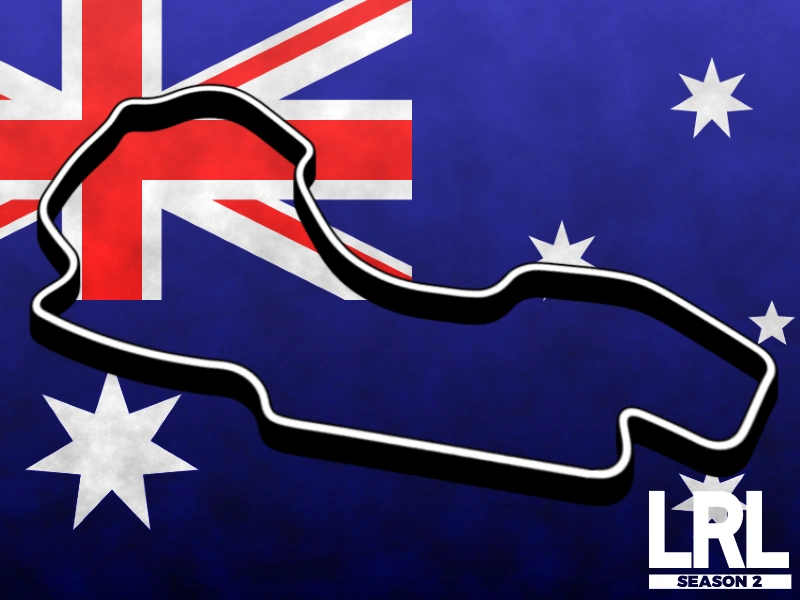
The main ever Australian Grand Prix to be incorporated as a feature of the Formula One World Championship was additionally the 50th AGP. The new 3.78 km Adelaide Street Circuit saw Brazilian Ayrton Senna on shaft with a period of 1:19.843 in his Lotus– Renault. The race itself was a fight among Senna and Finland's Keke Rosberg driving a Williams– Honda once and for all. Keep running in abusively hot conditions, the last race of the 1985 season raced to its 2-hour time limit, however all booked 82 laps were run. Rosberg eventually won completing 43 seconds before the Ligier– Renaults of Frenchmen Jacques Laffite and Philippe Streiff who really crashed at the barrette toward the finish of Brabham Straight with just a single lap to go when Streiff attempted a passing move that brought about his vehicle enduring broken suspension, however not sufficiently awful to cause retirement.
Three time World Champion Austrian Niki Lauda drove his last Formula One race at this occasion. Subsequent to beginning sixteenth in his McLaren, he advanced toward the lead by lap 57, yet an absence of brakes cause him to collide with a divider in a pitiful end to his Formula One vocation. Australia had its own driver in the race with 1980 World Champion Alan Jones driving a Lola– Hart. Jones, who began nineteenth, slowed down toward the begin however battled his approach to 6th by lap 20 preceding resigning later in the lap with electrical disappointment. The 1986 occasion was a three-path race for the Drivers' Championship. Briton Nigel Mansell and Brazilian Nelson Piquet in Williams– Hondas and Frenchman Alain Prost, in a similarly underpowered McLaren– TAG/Porsche, were going after the drivers' title.
Mansell required just third to ensure the title, while Prost and Piquet expected to win and for Mansell to complete fourth or lower to take the title. Finn Keke Rosberg drove for 62 laps before a cut that made harm his McLaren; this was the 1982 boss' last Formula One race. While serenely in the best three with 20 laps to go, Mansell's Williams endured a terrific mechanical disappointment, with a back tire cut at 180 mph (290 km/h) on the Brabham Straight, making a gigantic shower of flashes as the floor of the vehicle hauled along the bitumen surface. Mansell battled to control the fiercely veering vehicle and controlled it to a sheltered stop.
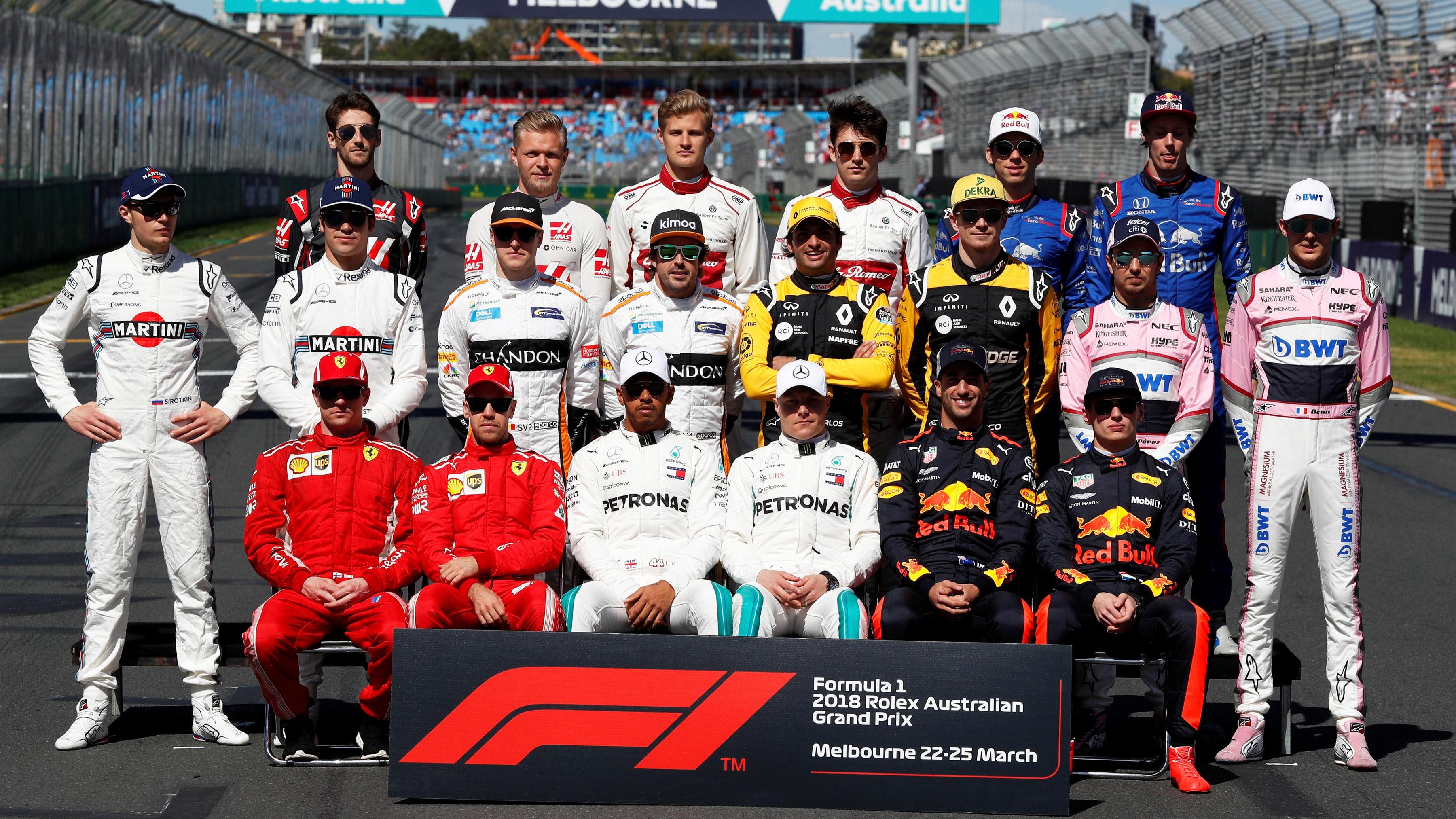
Prost led the pack, as Mansell's partner Piquet had hollowed as a pre-preventative measure, and the Frenchman won the race and the title. Prost needed to battle back after a mid-race cut, and halted not long after the completion so as not to squander fuel, something he had done at each race he completed since his preclusion from the 1985 San Marino Grand Prix for being underweight after his McLaren came up short on fuel on his moderate down lap subsequent to going too far first. 1987 saw Gerhard Berger win in his Ferrari while Ayrton Senna completed second however was then excluded for specialized abnormalities in his last race for Lotus; Berger's colleague Michele Alboreto was then climbed to second place to make the last outcome a Ferrari 1– 2.
1988, the last ever Grand Prix of the turbo period, saw Alain Prost win his seventh race of the period from McLaren partner and recently delegated World Champion Ayrton Senna with active boss Nelson Piquet third for Lotus, giving Honda turbo's each of the three platform positions. The race was likewise the fifteenth win and fifteenth post in 16 races in a period of all out strength for McLaren-Honda, a mastery not seen previously or since in Formula One. 1989 was hit by a storm of downpour and the drivers, eminently Prost, who did not have any desire to begin the race on account of the extremely wet conditions, especially on the Brabham straight.
This occasion came after questionable occasions 2 weeks before at the Japanese Grand Prix at Suzuka, where Prost collided with his loathed colleague Senna, and Senna got moving again and completed first out and about however after a ton of political consequences, he was excluded for cutting the chicane before the pit directly at Suzuka; the repercussions of which unfolded on the race. McLaren chose to offer Senna's exclusion; so Senna still got an opportunity of winning the title. The race was deferred for at some point and there were exchanges about whether the race ought to be begun. Senna qualified on shaft position, and had each goal of beginning the race.

The circuit was all the while being pounded by downpour and was secured by water, yet the drivers, including Prost yielded and they began. In any case, an unconvinced Prost came in after one lap and pulled back; and Senna-who was in a terrible mental state, quickly started driving as quick as possible. Before the finish of the main lap, due to Pierluigi Martini's moderate Minardi holding up the two quicker Williams vehicles of Belgian Thierry Boutsen and Italian Riccardo Patrese, Senna was a shocking nine seconds in front of Martini; the Williams autos before long passed Martini yet before the finish of the third lap, Senna was 23 seconds in front of second-put Boutsen. In any case, even with such a colossal lead which expanded much further, Senna kept on pushing exceptionally hard-taking extremely brave risks notwithstanding for himself; the mental predominance F1 had oozed over the Brazilian implied that he was known to take risks that most different drivers would not. Be that as it may, going down the Brabham straight on lap 13, Senna came up behind Briton Martin Brundle's Brabham-Judd, and Brundle chose to move over to give Senna a chance to pass. Be that as it may, Senna was blinded by thick shower; and the Brazilian did not ease up and after that he hit the back of Brundle's vehicle and it detached his front left haggle, so the Brazilian needed to resign; adequately giving Prost his third Drivers' Championship; McLaren's intrigue had not been chosen yet; and it was upset as well as Senna got a $100,000 fine and a six-month boycott, the two of which were repealed. Boutsen won the race in the unchanged conditions, the race was shouted toward it achieved the two-hour time limit.
1990 was the 500th World Championship Grand Prix ever held; and it came after yet progressively questionable occasions at Suzuka. Senna had collided with Prost at the absolute first corner on the principal lap of the race; and he won the Drivers' Championship for the second time. The Australian Grand Prix that year was a staggeringly energizing race: Senna drove for 61 laps, however smashed close to the passage to the perpetual race course due to gearbox issues.
The race at that point transformed into a dead-heat run between Nelson Piquet in his Benetton-Ford and Nigel Mansell in his Ferrari. Mansell charged through the field and more than once broke the lap record in quest for his previous Williams colleague. This nearly finished in a fiasco when the Ferrari nearly hit the Benetton toward the finish of the Brabham Straight in a keep going trench surpassing proceed onward the last lap. Piquet won from the Ferraris of Mansell and Prost.
There was pre-race debate when Prost would not partake in both the yearly end of season drivers' photograph and the uncommon photograph shoot with the World Champions in participation (counting unbelievable five-time champion Juan Manuel Fangio, three-time champions Sir Jack Brabham, Jackie Stewart, Niki Lauda, and Nelson Piquet; and other title holders James Hunt, Alan Jones, Denny Hulme and Senna), as Prost was as yet disturbed and furious did not wish to show up in the photographs with Senna following their disputable first corner crash in the past race in Japan which gave the 1990 World Championship to Senna. The 1991 race was striking for being held in very wet and precarious conditions and the race was in the end halted after 14 of the booked 82 laps and Ayrton Senna was announced the champ. Prost had been terminated from Ferrari for making unpalatable remarks about the vehicle after Suzuka; he didn't contend in this race.

The Drivers' Championship had just been chosen to support Senna; yet the Constructors' Championship was still up in the air among McLaren and Williams. Senna's triumph in addition to his colleague Gerhard Berger's third gave McLaren its fourth back to back Constructors' Championship; Williams (which was behind McLaren in focuses) drivers Mansell completed second (yet slammed close to the race's end at the chicane after the pits) and Riccardo Patrese completed fifth. This race has the record of being the most brief ever Formula One race as it just endured 52 kilometers (33 miles)/24 minutes.
Triple World Champion Nelson Piquet, who completed fifth, resigned from Grand Prix hustling following the race. 1992 saw Senna drive hard to endeavor to remain with new title holder Mansell's overwhelming Williams; this finished in Senna running into the back of Mansell at the last corner. Mansell resigned from Formula One and went to contend in CART in the United States; Senna's partner Gerhard Berger won the race. 1993 saw Senna win what was to be his 41st and last triumph and last race for McLaren in front of Alain Prost, who was contending in his last Formula One race in a Williams before he excessively resigned. Senna grasped his once incredibly unpleasant opponent Prost on the platform. It was reported around this time the Australian Grand Prix would move Melbourne for 1996.
The main ever Australian Grand Prix to be incorporated as a feature of the Formula One World Championship was additionally the 50th AGP. The new 3.78 km Adelaide Street Circuit saw Brazilian Ayrton Senna on shaft with a period of 1:19.843 in his Lotus– Renault. The race itself was a fight among Senna and Finland's Keke Rosberg driving a Williams– Honda once and for all. Keep running in abusively hot conditions, the last race of the 1985 season raced to its 2-hour time limit, however all booked 82 laps were run. Rosberg eventually won completing 43 seconds before the Ligier– Renaults of Frenchmen Jacques Laffite and Philippe Streiff who really crashed at the barrette toward the finish of Brabham Straight with just a single lap to go when Streiff attempted a passing move that brought about his vehicle enduring broken suspension, however not sufficiently awful to cause retirement.
Three time World Champion Austrian Niki Lauda drove his last Formula One race at this occasion. Subsequent to beginning sixteenth in his McLaren, he advanced toward the lead by lap 57, yet an absence of brakes cause him to collide with a divider in a pitiful end to his Formula One vocation. Australia had its own driver in the race with 1980 World Champion Alan Jones driving a Lola– Hart. Jones, who began nineteenth, slowed down toward the begin however battled his approach to 6th by lap 20 preceding resigning later in the lap with electrical disappointment. The 1986 occasion was a three-path race for the Drivers' Championship. Briton Nigel Mansell and Brazilian Nelson Piquet in Williams– Hondas and Frenchman Alain Prost, in a similarly underpowered McLaren– TAG/Porsche, were going after the drivers' title.
Mansell required just third to ensure the title, while Prost and Piquet expected to win and for Mansell to complete fourth or lower to take the title. Finn Keke Rosberg drove for 62 laps before a cut that made harm his McLaren; this was the 1982 boss' last Formula One race. While serenely in the best three with 20 laps to go, Mansell's Williams endured a terrific mechanical disappointment, with a back tire cut at 180 mph (290 km/h) on the Brabham Straight, making a gigantic shower of flashes as the floor of the vehicle hauled along the bitumen surface. Mansell battled to control the fiercely veering vehicle and controlled it to a sheltered stop.
Prost led the pack, as Mansell's partner Piquet had hollowed as a pre-preventative measure, and the Frenchman won the race and the title. Prost needed to battle back after a mid-race cut, and halted not long after the completion so as not to squander fuel, something he had done at each race he completed since his preclusion from the 1985 San Marino Grand Prix for being underweight after his McLaren came up short on fuel on his moderate down lap subsequent to going too far first. 1987 saw Gerhard Berger win in his Ferrari while Ayrton Senna completed second however was then excluded for specialized abnormalities in his last race for Lotus; Berger's colleague Michele Alboreto was then climbed to second place to make the last outcome a Ferrari 1– 2.
1988, the last ever Grand Prix of the turbo period, saw Alain Prost win his seventh race of the period from McLaren partner and recently delegated World Champion Ayrton Senna with active boss Nelson Piquet third for Lotus, giving Honda turbo's each of the three platform positions. The race was likewise the fifteenth win and fifteenth post in 16 races in a period of all out strength for McLaren-Honda, a mastery not seen previously or since in Formula One. 1989 was hit by a storm of downpour and the drivers, eminently Prost, who did not have any desire to begin the race on account of the extremely wet conditions, especially on the Brabham straight.
This occasion came after questionable occasions 2 weeks before at the Japanese Grand Prix at Suzuka, where Prost collided with his loathed colleague Senna, and Senna got moving again and completed first out and about however after a ton of political consequences, he was excluded for cutting the chicane before the pit directly at Suzuka; the repercussions of which unfolded on the race. McLaren chose to offer Senna's exclusion; so Senna still got an opportunity of winning the title. The race was deferred for at some point and there were exchanges about whether the race ought to be begun. Senna qualified on shaft position, and had each goal of beginning the race.
The circuit was all the while being pounded by downpour and was secured by water, yet the drivers, including Prost yielded and they began. In any case, an unconvinced Prost came in after one lap and pulled back; and Senna-who was in a terrible mental state, quickly started driving as quick as possible. Before the finish of the main lap, due to Pierluigi Martini's moderate Minardi holding up the two quicker Williams vehicles of Belgian Thierry Boutsen and Italian Riccardo Patrese, Senna was a shocking nine seconds in front of Martini; the Williams autos before long passed Martini yet before the finish of the third lap, Senna was 23 seconds in front of second-put Boutsen. In any case, even with such a colossal lead which expanded much further, Senna kept on pushing exceptionally hard-taking extremely brave risks notwithstanding for himself; the mental predominance F1 had oozed over the Brazilian implied that he was known to take risks that most different drivers would not. Be that as it may, going down the Brabham straight on lap 13, Senna came up behind Briton Martin Brundle's Brabham-Judd, and Brundle chose to move over to give Senna a chance to pass. Be that as it may, Senna was blinded by thick shower; and the Brazilian did not ease up and after that he hit the back of Brundle's vehicle and it detached his front left haggle, so the Brazilian needed to resign; adequately giving Prost his third Drivers' Championship; McLaren's intrigue had not been chosen yet; and it was upset as well as Senna got a $100,000 fine and a six-month boycott, the two of which were repealed. Boutsen won the race in the unchanged conditions, the race was shouted toward it achieved the two-hour time limit.
1990 was the 500th World Championship Grand Prix ever held; and it came after yet progressively questionable occasions at Suzuka. Senna had collided with Prost at the absolute first corner on the principal lap of the race; and he won the Drivers' Championship for the second time. The Australian Grand Prix that year was a staggeringly energizing race: Senna drove for 61 laps, however smashed close to the passage to the perpetual race course due to gearbox issues.
The race at that point transformed into a dead-heat run between Nelson Piquet in his Benetton-Ford and Nigel Mansell in his Ferrari. Mansell charged through the field and more than once broke the lap record in quest for his previous Williams colleague. This nearly finished in a fiasco when the Ferrari nearly hit the Benetton toward the finish of the Brabham Straight in a keep going trench surpassing proceed onward the last lap. Piquet won from the Ferraris of Mansell and Prost.
There was pre-race debate when Prost would not partake in both the yearly end of season drivers' photograph and the uncommon photograph shoot with the World Champions in participation (counting unbelievable five-time champion Juan Manuel Fangio, three-time champions Sir Jack Brabham, Jackie Stewart, Niki Lauda, and Nelson Piquet; and other title holders James Hunt, Alan Jones, Denny Hulme and Senna), as Prost was as yet disturbed and furious did not wish to show up in the photographs with Senna following their disputable first corner crash in the past race in Japan which gave the 1990 World Championship to Senna. The 1991 race was striking for being held in very wet and precarious conditions and the race was in the end halted after 14 of the booked 82 laps and Ayrton Senna was announced the champ. Prost had been terminated from Ferrari for making unpalatable remarks about the vehicle after Suzuka; he didn't contend in this race.
The Drivers' Championship had just been chosen to support Senna; yet the Constructors' Championship was still up in the air among McLaren and Williams. Senna's triumph in addition to his colleague Gerhard Berger's third gave McLaren its fourth back to back Constructors' Championship; Williams (which was behind McLaren in focuses) drivers Mansell completed second (yet slammed close to the race's end at the chicane after the pits) and Riccardo Patrese completed fifth. This race has the record of being the most brief ever Formula One race as it just endured 52 kilometers (33 miles)/24 minutes.
Triple World Champion Nelson Piquet, who completed fifth, resigned from Grand Prix hustling following the race. 1992 saw Senna drive hard to endeavor to remain with new title holder Mansell's overwhelming Williams; this finished in Senna running into the back of Mansell at the last corner. Mansell resigned from Formula One and went to contend in CART in the United States; Senna's partner Gerhard Berger won the race. 1993 saw Senna win what was to be his 41st and last triumph and last race for McLaren in front of Alain Prost, who was contending in his last Formula One race in a Williams before he excessively resigned. Senna grasped his once incredibly unpleasant opponent Prost on the platform. It was reported around this time the Australian Grand Prix would move Melbourne for 1996.
Comments
Post a Comment